Label Material Selection Guide
Choosing the right label material can make a big difference to print quality, adhesion, appearance and performance. For commercial printers, designers and production teams, the right material helps every job run more smoothly, from artwork setup through to final application.
PCL manufactures self adhesive label materials for professional print environments, with options across paper, synthetic and specialist adhesive materials. This guide explains the main material types and where they are commonly used, helping you narrow down the best option for your print method and application.
Why Label Material Choice Matters
A label does more than carry printed information. It needs to suit the surface it is applied to, the environment it will be used in and the print process used to produce it.
A label for dry indoor packaging will have very different requirements from a label used in cold storage, technical identification or a demanding production environment.
Material choice can influence how well the sheet feeds through equipment, how the print holds, how the label looks once applied and how it performs over time. Choosing carefully from the start can help reduce waste, avoid reprints and improve production confidence.
Paper Label Materials
Paper labels are a practical choice for many everyday commercial print applications. They are often used for product labelling, packaging, address labels, information labels and general business use.
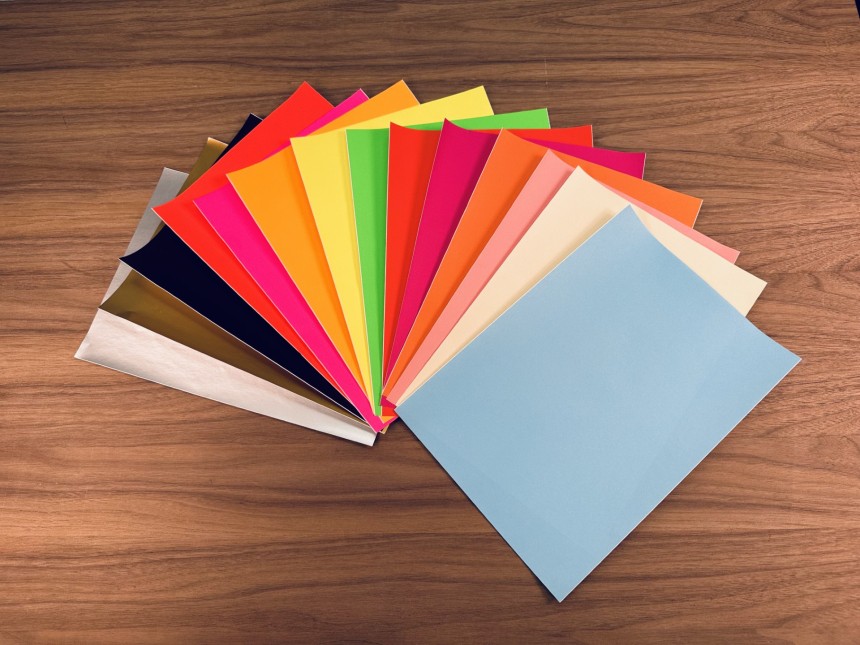
PCL offers a wide choice of paper-based materials, including white, coloured, gloss, recycled, kraft and specialist paper options. These materials are well suited to applications where print clarity, cost efficiency and a clean finish are important.
Paper materials are usually best suited to dry indoor environments where the label does not need extra resistance to water, chemicals or heavy handling.
Synthetic and Specialist Label Materials
Synthetic and specialist materials are designed for applications where paper may not be suitable. They are often chosen when labels need to resist moisture, tearing, abrasion or regular handling.
Options such as polyester and Teslin® can support more demanding uses, including technical labelling, product identification, industrial applications, laboratory use and long-life labelling. These materials can be especially useful when the label needs to remain readable and intact in more challenging conditions.
If you need a hard-wearing label material, a synthetic option is often the best place to start.
Adhesive Options
Adhesive choice is just as important as the face material. The surface, temperature, application environment and expected lifespan of the label will all affect which adhesive is most suitable.
PCL materials are available with a range of adhesive options, including permanent, removable, extra permanent, deep freeze and specialist adhesives. Permanent adhesives are suited to long term application, while removable options are useful when labels need to be taken off more easily.
Deep freeze adhesives are designed for low temperature environments, including frozen food, cold storage and chilled logistics applications. Where the surface or environment is more complex, testing samples before placing an order is always recommended.
Matching Materials to Print Method
Different print methods place different demands on label materials. PCL offers materials designed for professional print workflows, including HP Indigo, laser, litho and office print environments.
PCL3 Digital materials are Certified for HP Indigo, giving commercial printers confidence when selecting materials for HP Indigo production.
Matching the right material to the right print method can help improve print quality, reduce production issues and support consistent results across repeat jobs.
Common Material Applications
For general packaging and business labels, white paper materials are often a strong choice. For premium presentation, gloss or specialist finishes can help create a sharper appearance.
For clear labelling on glass, acrylic or smooth plastic surfaces, clear polyester materials may be more suitable where a clean, transparent finish is needed.
For cold chain, frozen food or chilled environments, deep freeze materials should be considered. For technical, chemical, laboratory or marine applications, Teslin® or other synthetic materials may provide the extra performance required.
The best material will depend on the surface, application environment, print method and how long the label needs to remain in place.
Quick Material Guide
| Application | Material type to consider | Why it may suit the job |
|---|---|---|
| General packaging and business labels | White paper, gloss paper or recycled paper | Good print clarity, practical finish and suitable for many dry indoor uses. |
| Premium product presentation | Gloss, kraft, metallic or specialist paper options | Helps create a more distinctive finish for branded packaging and product labels. |
| Clear labelling on smooth surfaces | Clear polyester or synthetic materials | Useful where the label needs to blend into glass, acrylic or smooth packaging. |
| Cold storage or frozen products | Deep freeze materials | Designed for lower temperature environments and chilled logistics applications. |
| Technical or demanding applications | Polyester, Teslin® or specialist synthetic materials | Supports hard-wearing applications where moisture, handling or abrasion may be a concern. |
| Temporary or short-term labelling | Removable adhesive options | Useful when the label needs to be removed more easily from the chosen surface. |
Order Material Samples Before You Decide
The easiest way to choose the right material is to order material samples and test them in your own environment. Physical samples allow you to compare finish, colour, adhesive and suitability before placing an order.
This is particularly important when the material will be used on a specialist surface, exposed to changing temperatures or printed using a specific production process. Testing samples helps you make a more confident choice and reduces the risk of selecting the wrong label stock.
Need Help Choosing a Material?
If you are choosing between paper, synthetic, specialist or adhesive options, the PCL team can provide practical guidance based on your application and print method.
Whether you need help comparing materials, understanding print compatibility or selecting the right adhesive, PCL can support you in finding a suitable solution for your job.
Frequently Asked Questions
White paper label materials are often suitable for general business use, including packaging, address labels, product information and everyday commercial print applications.
Synthetic materials such as polyester or Teslin® are usually better suited to wet, technical or demanding environments where paper materials may not perform as well.
Permanent adhesive is designed for long term application, while removable adhesive is designed to be taken off more easily. The best choice depends on the surface, application and required lifespan of the label.
Deep freeze label materials are designed for low temperature environments, including frozen food packaging, cold storage and chilled logistics applications.
Yes. Selected PCL3 Digital materials are Certified for HP Indigo, giving commercial printers confidence when selecting materials for HP Indigo print workflows.
Yes. Material samples can be ordered online to test finish, colour, adhesive and suitability before placing an order.
Yes. PCL provides in house technical support to help you choose suitable materials, adhesives and formats for your print and application requirements.